
Custom Decks Logo

What Is Composite Decking? Pros, Cons, and Materials Explained

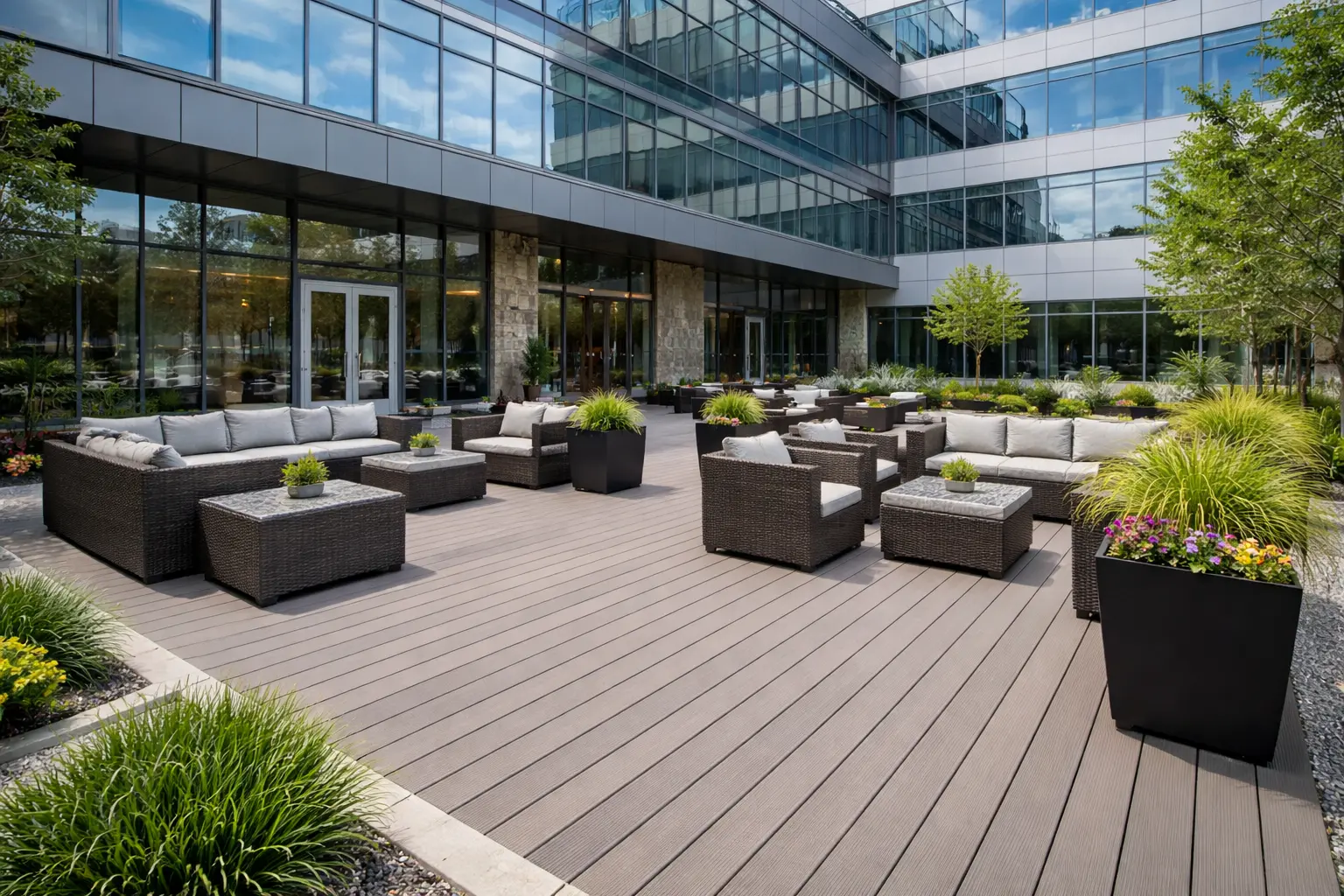
Commercial Decking
If you’re planning a new deck for your Lakewood, CO home, composite decking has probably come up in every conversation, article, and contractor recommendation along the way. It’s become the go-to choice for Colorado homeowners who want a beautiful outdoor space without the constant maintenance of traditional wood. But what exactly is it, how is it made, and is it actually the right fit for your property? Here’s a clear, honest breakdown to help you decide.

What Is Composite Decking?

Composite decking is an engineered building material made from a blend of wood fibers and recycled plastics. These two components are combined under heat and pressure to create boards that look and feel remarkably like natural wood but perform significantly better in harsh outdoor conditions. Most premium products are wrapped in a protective polymer cap that shields the core from moisture, UV rays, stains, and scratches. The result is a material that resists rot, warping, insects, fading, and mold without ever needing to be stained, sealed, or sanded. Composite decking was developed specifically to solve the maintenance problems that come with traditional lumber, and it has evolved dramatically over the past two decades into a product that rivals real wood in appearance while far exceeding it in durability.

How It’s Made

The manufacturing process starts with reclaimed wood fibers, often sourced from sawmill waste, and recycled polyethylene plastic from items like grocery bags and packaging. These materials are blended together, heated, and extruded into board profiles that mimic the dimensions of traditional lumber. Premium brands then apply a co-extruded polymer cap that bonds permanently to the surface. This capping layer is what separates high-quality products from earlier generations that were prone to staining, fading, and moisture absorption. Today’s capped composite decking from brands like TimberTech by Azek and Deckorators offers multi-tonal color blending, deep wood grain embossing, and realistic textures that are nearly indistinguishable from natural hardwood.

The Pros

There’s a reason this material has taken over the market in Colorado and across the country. The biggest advantage is minimal maintenance. There’s no annual staining, sealing, or sanding required. A seasonal wash with soap and water is all it takes to keep your deck looking fresh year after year. Durability is another major win. Composite decking handles Lakewood’s intense altitude sun, dry air, heavy snow, and freeze-thaw cycles far better than untreated wood. It won’t crack, split, warp, or rot under normal conditions, and premium products come with warranties ranging from 25 to 30 years or more. For homeowners who want a deck they can enjoy instead of undertaking constant maintenance, the performance speaks for itself.

The Cons

No material is perfect, and there are trade-offs to consider. The most common concern is upfront cost. Composite decking costs more per board than pressure-treated lumber, which can make the initial investment feel steep. However, when you factor in the money saved on stain, sealant, replacement boards, and annual labor over the life of the deck, the total cost of ownership often evens out or tips in composite’s favor. Heat retention is another consideration. Boards can get warm underfoot on hot, sunny days, especially darker colors exposed to direct sunlight. In Lakewood’s high-altitude environment where UV exposure is intense, choosing lighter colors or planning shaded areas can help manage this. Some homeowners also feel that composite lacks the exact natural character of real wood, though premium products have closed that gap significantly.

How It Performs in Colorado’s Climate

Lakewood sits at elevation with intense UV exposure, dry air, wide temperature swings, and heavy winter snow. This combination breaks down traditional wood faster than in most climates, making composite decking an especially smart choice for the area. The polymer cap protects against UV fading that would gray and crack natural wood within a few seasons at altitude. The material handles freeze-thaw cycles well, expanding and contracting slightly with temperature changes without cracking or splitting. Proper installation with correct board spacing accounts for this movement and ensures the deck performs flawlessly through Colorado’s dramatic seasonal shifts. Snow and ice can be cleared without damaging the surface, and moisture from snowmelt won’t penetrate capped boards the way it would with untreated lumber.

Color and Style Options

One of the biggest advantages of composite decking is the range of aesthetics available. Warm browns, rich reds, cool grays, modern charcoals, and weathered driftwood tones cover virtually every design preference. Premium lines feature multi-tonal color blending that replicates the natural variation found in real hardwood, giving your deck a high-end look without the high-maintenance commitment. Board width, texture, and railing combinations all contribute to the finished appearance. Wide plank boards create a more contemporary feel, while narrower profiles offer a traditional look. Seeing samples in person is the best way to choose the product that complements your Lakewood home and landscape.

Making the Right Decision

Composite decking isn’t the cheapest option upfront, but it’s one of the smartest long-term investments you can make for a Lakewood home. It eliminates the maintenance cycle that wood demands, holds up beautifully against Colorado’s tough climate, and looks stunning for decades with minimal effort. For homeowners who value their time as much as their outdoor space, composite decking consistently proves to be the right call. At Custom Decks, we help Lakewood homeowners choose and install the right products tailored to Colorado’s climate and their personal style. Our team knows the materials inside and out and builds every deck with precision and care. Call us today at (303) 351-3325 to schedule a consultation and get started.