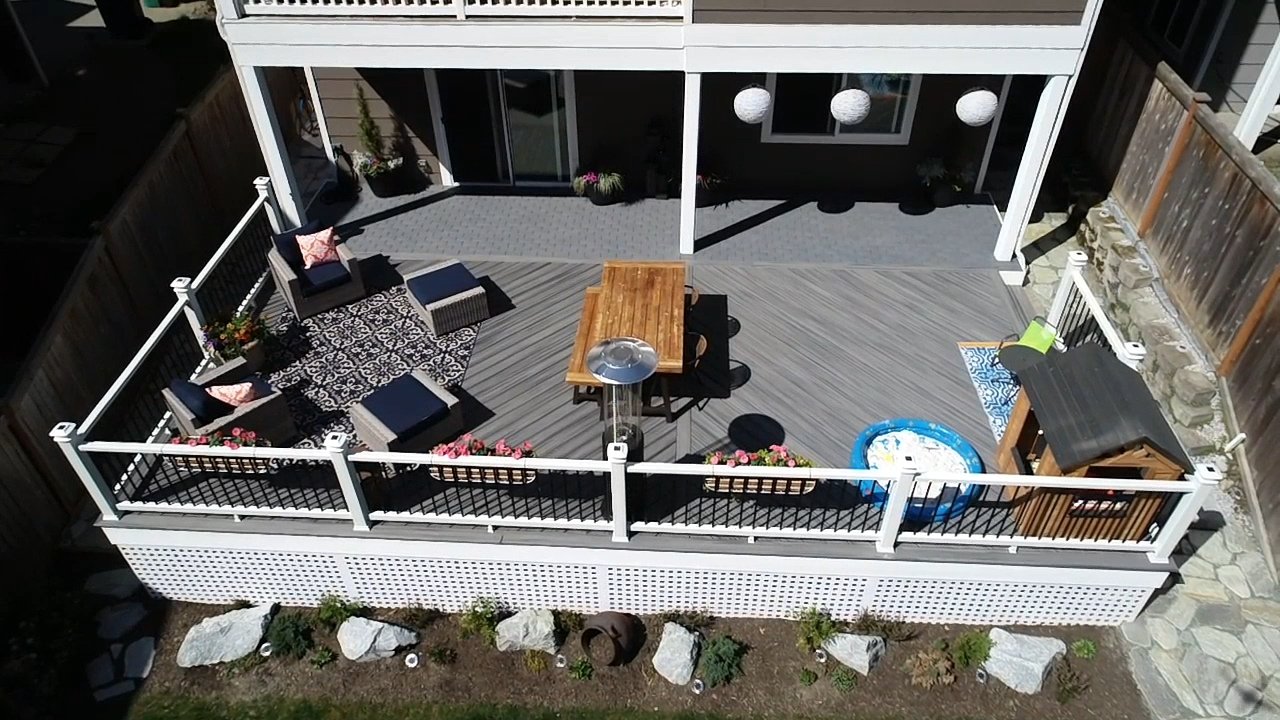
Composite Decking 101: Why Lakewood, CO Homes Need It for Freeze-Thaw Durability
Dale Ervin
Lakewood weather is rough on outdoor wood. The Front Range delivers intense UV at elevation, brutal freeze-thaw cycles that punish every fastener and board, and a swing between dry summers and snowy winters that no traditional lumber handles well over the long term. Wood decks built for this climate need staining, sealing, and constant attention to survive, and most fail well short of their expected lifespan despite the ongoing maintenance.Composite decking solves these problems by design. This guide explains how the material works, why it stands up to Lakewood’s freeze-thaw cycle, and what every homeowner should know before choosing composite for a new deck or replacement project on their property.
What Composite Decking Actually Is
Composite decking combines wood fibers and recycled plastics into a board that looks like wood but performs nothing like it. The wood content provides the natural grain pattern and traditional aesthetic, while the plastic content delivers the moisture resistance, dimensional stability, and longevity that wood simply cannot match in a climate like Colorado’s Front Range with its dramatic temperature swings.Quality composite decking carries a protective polymer cap on three or four sides of the board. This cap shields the wood fiber core from moisture, UV damage, scratches, and stains, which is the single biggest advancement in composite technology over the past decade. Capped composite from brands like Trex, TimberTech by Azek, Fiberon, MoistureShield, Deckorators, and Duralife all use this construction for premium performance and warranty coverage.
Why Freeze-Thaw Durability Matters in Lakewood
Lakewood experiences dozens of freeze-thaw cycles every winter. Temperatures rise above freezing during sunny days and drop back below at night, often multiple times within the same week. Water that enters tiny cracks in wood freezes overnight, expands, and tears the wood fibers apart from the inside. After a few winters, the damage shows up as cupping, splitting, and surface checking across every board on the deck.Composite decking does not absorb water the way wood does, which means the freeze-thaw cycle has nothing to work with on the surface. The capped polymer cover blocks moisture from reaching the core, and the dimensional stability of composite decking keeps the boards flat and tight through every temperature swing. This single difference is why the material outlasts wood by decades on Colorado decks exposed to harsh Lakewood winters year after year.
How Composite Handles Colorado Sun and Snow
Lakewood sits at higher elevation than the Denver flatlands, which means UV intensity is significantly stronger than what most building materials are rated to handle in standard testing. Traditional wood fades, cracks, and grays quickly under this UV exposure. Modern composite decking includes UV inhibitors in the polymer cap that resist fading and color loss for decades, keeping the deck looking new long past the warranty period.Snow load matters too on Lakewood decks. Colorado winters deliver heavy snowfall that sits on the deck for days at a time, soaking traditional wood and accelerating rot in shaded sections. Composite decking handles snow load without absorbing the moisture, and the surface clears with a plastic shovel without damaging the boards. The combination of UV resistance and moisture resistance makes the material a smart match for the Lakewood climate.
Choosing the Right Composite for Your Build
Not all composite decking products perform equally, and brand selection matters in a climate as demanding as Colorado’s Front Range. Trex, TimberTech by Azek, Fiberon, Deckorators, MoistureShield, and Duralife all offer quality capped composite lines with strong warranty coverage and proven performance in cold climates with significant freeze-thaw activity throughout the long winter season.Color and grain pattern selection also matter for matching the home’s exterior style and architectural details. Lighter colors stay cooler underfoot in summer sun, while darker tones deliver a richer aesthetic that works well with mountain-style architecture common across Lakewood. The framing beneath the surface supports everything above, and Custom Decks builds on steel, wood, and PWT framing from Fortress, ProWood, TimberTech Aluminum, KDAT, and Owens Corning brands.
Planning the Right Composite Deck
A successful composite decking project starts with design consultation and 3D modeling that shows exactly how the finished deck will look on the property. This planning stage catches setback issues, slope challenges, and access problems before construction begins, which saves significant cost compared to discovering these problems after framing is already in place across the entire build site.Foundation work matters as much as the surface boards themselves. Helical piers, diamond piers, or traditional concrete footings all work depending on the lot conditions, with each option anchoring the deck securely below the Colorado frost line for long-term stability against frost heave. For expert composite decking design and installation in Lakewood and across the surrounding Colorado communities, contact Custom Decks at (303) 351-3325 to schedule a consultation and build a deck that lasts through every freeze-thaw cycle.