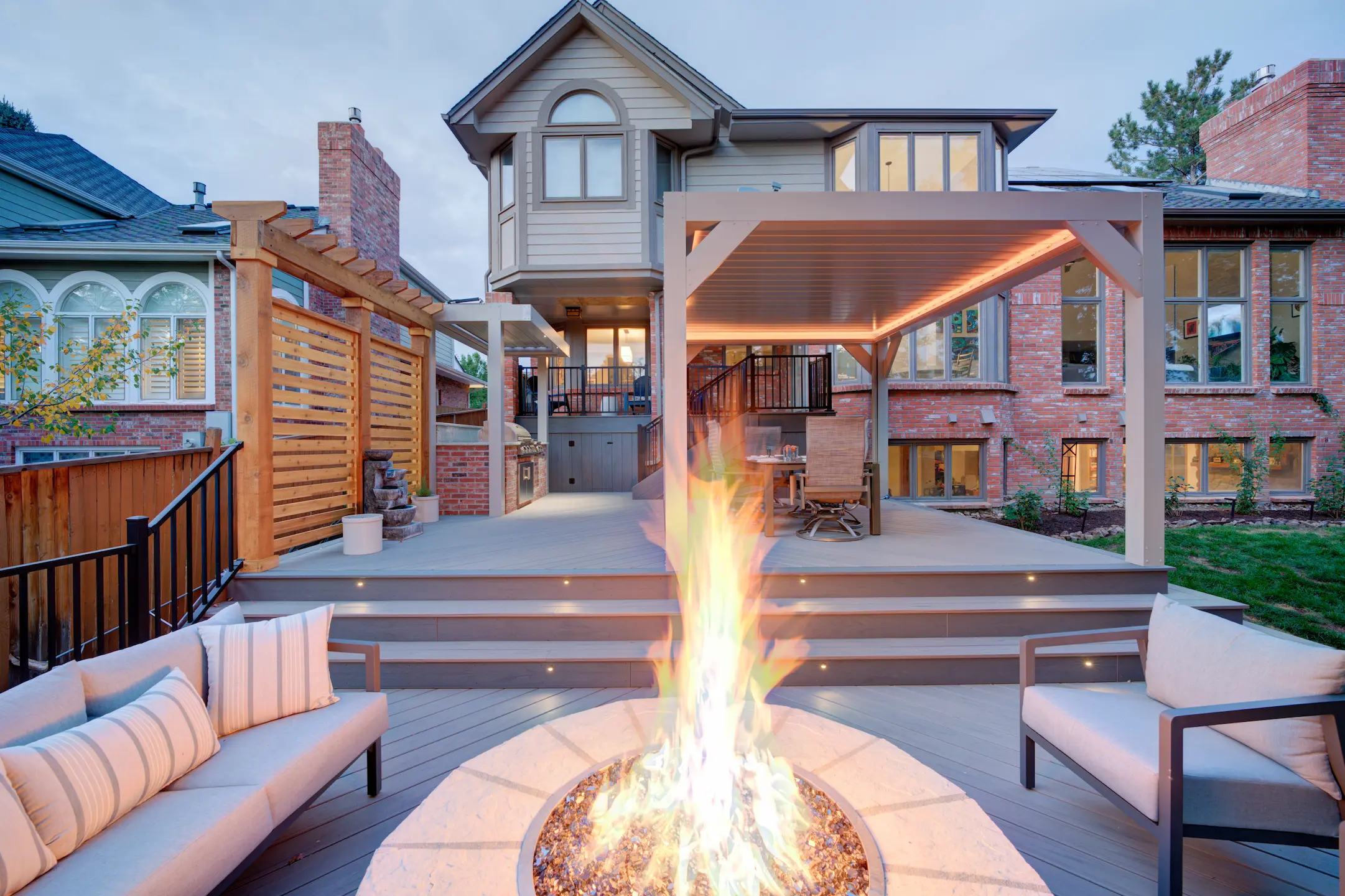
What to Expect During a Deck Installation Project in Centennial
Dale Ervin
Planning a deck project raises a lot of questions for homeowners who have not been through the process before. How long does it take? What decisions need to be made upfront? What happens between the first conversation and the finished structure? Understanding each phase of a deck installation helps property owners prepare, make informed decisions, and avoid surprises along the way. Here is a clear look at what the process involves from start to finish.
The Project Begins with Design Consultation and Planning
Before any material is ordered or ground is broken, the design phase sets the direction for the entire project. This involves reviewing the property, discussing how the deck will be used, and selecting a style that fits the existing structure and site conditions. In Centennial and the broader Lakewood area, lot configuration, sun exposure, and slope all affect what works best. Platform decks, raised decks, multi-level decks, freestanding decks, pool and spa decks, curved decks, cantilevered decks, rooftop decks, covered decks, and screened decks all carry different structural and material requirements, so the design conversation is where those decisions get made.
Material Selection Determines Long-Term Performance
Material choice is one of the most consequential decisions in a deck installation project. Options include wood decking such as pressure-treated lumber, cedar, redwood, and exotic hardwoods like Ipe, Tigerwood, and Cumaru, as well as composite and PVC decking from brands like Trex, Fiberon, TimberTech by Azek, Deckorators, MoistureShield, and Duralife. Composite materials resist moisture, fading, and insect damage without the maintenance demands of natural wood. Colorado’s climate, with its dry summers, UV intensity, and significant temperature swings, puts real stress on decking materials, so selecting a product suited to Front Range conditions matters considerably.
Framing and Footing Work Happens Before the Surface Goes Down
A deck is only as solid as the structure underneath it. Framing materials at the structural level include wood, steel, composite, and pressure-treated LVL from brands like Fortress Building Products, Owens Corning, ProWood, and TimberTech Aluminum. Footing options include helical piers, diamond piers, and traditional concrete footings, each suited to different soil conditions and frost depth requirements. In Centennial, frost depth is a key consideration since footings must extend below the freeze line to prevent movement and structural damage over time.
Permitting Is a Required Part of the Process
Deck installation in Centennial and Arapahoe County requires permits for most projects, particularly those attached to the home or above a certain height. Permit acquisition is handled as part of the project, which keeps the build compliant with local building codes and avoids the complications that come with unpermitted work, including issues at resale and liability exposure. This step also covers the inspections required at various stages of the build.
Railing, Lighting, and Finish Details Come After the Deck Frame
Once the deck frame and surface are in place, railing installation and lighting work follow. Railing options include wooden railings, composite railings, glass railings, vinyl railings, aluminum railings, steel railings, cable railings, and wrought iron railings from brands such as Trex, TimberTech, Deckorators, Fiberon, MoistureShield, Ideal Railing, Viewrail, and IG Railing. Deck lighting covers installation, wiring and electrical work, lighting automation, post cap and rail lights, and step lights. These elements affect how the finished deck looks and how usable it is after dark or in lower light conditions.
Skirting Adds a Finished Look to the Base of the Structure
The space below a raised deck benefits from skirting, which closes off the gap between the deck frame and the ground. Options include lattice skirting, solid wood panels, horizontal or vertical boards, stone or brick skirting, faux stone panels, vinyl skirting, and composite deck skirting. Beyond appearance, skirting also limits access to the underside of the deck, which reduces debris accumulation and pest entry. The choice of material typically follows the decking and railing selections to keep the overall design consistent.
Completion Includes a Walkthrough of the Finished Build
A well-executed deck installation wraps up with the contractor walking through the finished project with the homeowner. This covers how the structure was built, what the materials require in terms of care over the coming years, and any details specific to the lighting, railings, or other integrated features. It is also the point where final inspection paperwork gets resolved and any outstanding questions from the build get answered directly.